Streamlining Your Dream Home: The Top Benefits of Hiring a Design-Build Contractor
Building a custom home is one of life’s most exciting milestones. It’s the chance to bring your exact vision to life, from the layout of the kitchen to the view from the master bedroom window. However, the process of getting from vision to reality is often described with different adjectives: stressful, complicated, and overwhelming.
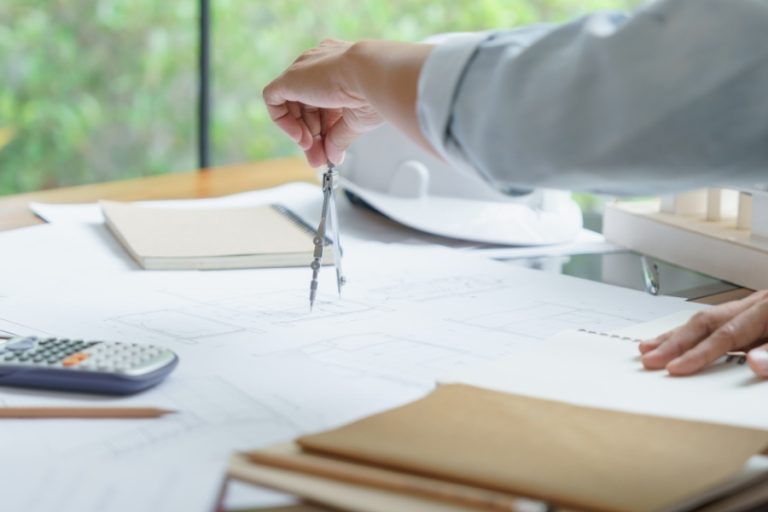
In the traditional approach to custom home building (often called “design-bid-build”), you, the homeowner, are the middleman. You hire an architect to draw plans. Then, you take those plans and shop them around to builders for bids. Once construction starts, if there’s a discrepancy between the drawings and the reality of the construction site, you become the referee between your architect and your building contractor.
Fortunately, there is a better model designed specifically to reduce stress and improve results for custom projects: the Design-Build approach. When you hire a design-build contractor, you are hiring a single entity responsible for both the architectural design and the physical construction of your new home. It’s one contract, one unified team, and one shared goal.
1. A Single Point of Accountability
The most significant advantage of design-build is simplicity for the client. In the traditional model, when something goes wrong on the job site, the “blame game” begins. With design-build, there is no finger-pointing because everyone is on the same team. You have one phone number to call, and the buck stops with your custom home builder. This structure is highly recommended by the Design-Build Institute of America (DBIA) for its efficiency.
2. Realistic Budgeting from Day One
One of the most heartbreaking scenarios in custom home building is “sticker shock.” This happens when a homeowner falls in love with a set of architectural plans, only to discover later that the house costs 30% more to build than their budget allows. A design-build firm includes construction professionals in the design phase from the very beginning. As the team sketches concepts, they provide real-time cost feedback, ensuring your custom home building project remains financially viable.
3. A Faster Timeline
Because the design-build team is unified, these phases can overlap. The construction team can begin site preparation while final interior details are being finalized. This “fast-tracking” can significantly shave months off the total project timeline. For those looking at whole house rebuilds, this efficiency is vital. You can learn more about residential zoning and speed through the U.S. Department of Housing and Urban Development (HUD).
4. Enhanced Quality and Communication
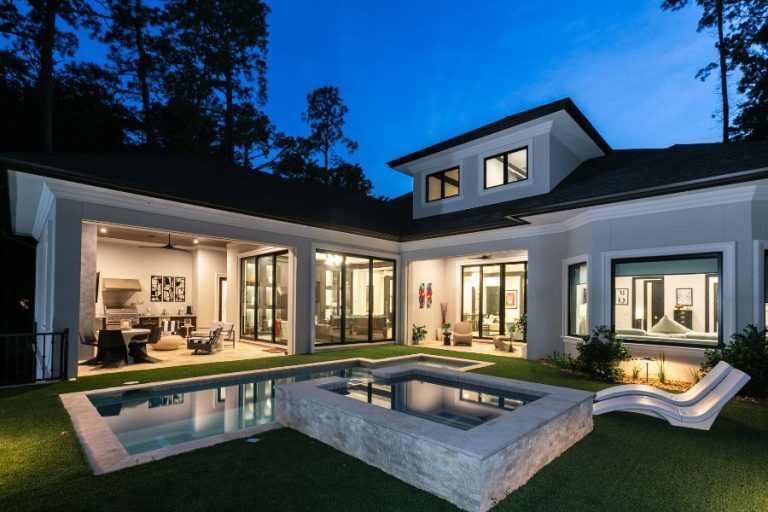
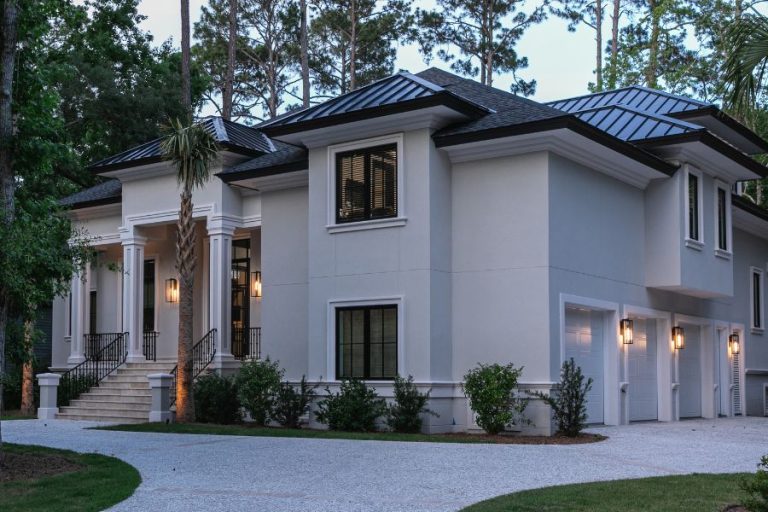
In a design-build environment, communication is constant. The person building the custom luxury homes can walk down the hall and talk to the person who designed them. This inherent collaboration means the design intent is perfectly executed in the field. This level of detail is what we strive for in our portfolio.
5. Reduced Administrative Burden
Managing a custom home build is practically a full-time job in the traditional model. A design-build contractor handles all of that coordination for you. Whether you are adding luxury additions or starting new home construction, you focus on the fun parts—like kitchen remodeling finishes—rather than paperwork. For more on construction standards, refer to the National Association of Home Builders (NAHB).
Conclusion
Building a custom home shouldn’t require you to be a project manager. By choosing a design-build contractor, you choose a cohesive path to your dream home.
Next step: Planning a custom home project? Palatial Homes Design LLC is a design-build firm based on Hilton Head Island. See our custom home building service or contact us to talk it through.