Owning the Past: Is a Historic Home Right for You?
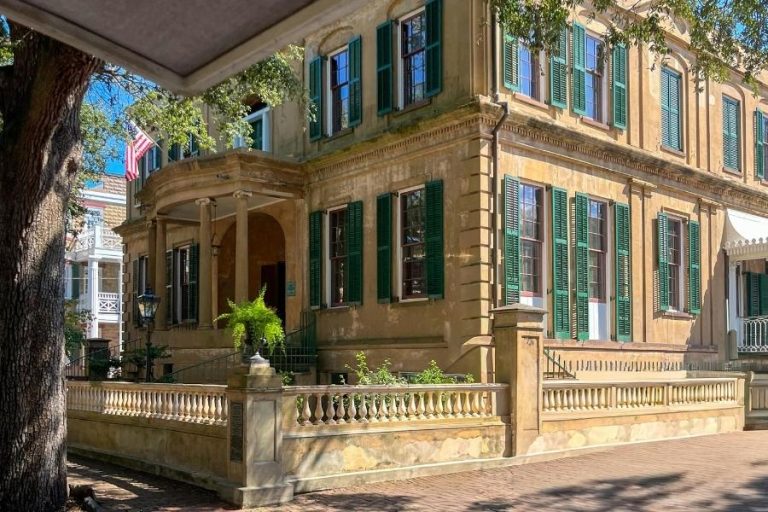
For those who appreciate stories written in wood, brick, and plaster, the allure of a historic home is undeniable. These houses aren’t just places to live — they’re living records of craftsmanship, design, and human history. But for all their character, historic homes demand something in return: care, patience, and often, deeper pockets.
Before you fall for the charm of crown moldings and antique fireplaces, it’s worth asking whether a historic home fits your lifestyle, budget, and temperament. The answer might surprise you.
What Defines a Historic Home
Age alone doesn’t make a home historic. In the United States, formal recognition comes from the National Register of Historic Places, overseen by the National Park Service. To qualify, a property typically must be at least fifty years old and meet one or more key criteria:
- It’s tied to an important person or event in history.
- It represents a significant architectural style or design era.
- It holds historical, cultural, or archaeological value.
While federal recognition establishes historical significance, most rules governing renovation or preservation happen at the state or local level, often through a State Historic Preservation Office (SHPO) or local review board. If a home lies within a designated historic district, exterior alterations may require approval, ensuring that updates respect the property’s character.
The Rewards of Owning History
For some, buying a historic home is an emotional decision as much as a practical one. These are people who fall in love not with square footage, but with stories.
A tangible connection to the past
Living in a historic home connects you to the generations who came before. Each architectural detail — the hand-carved banister, the original windowpanes, the worn floorboards — tells its own story.
A community of preservationists
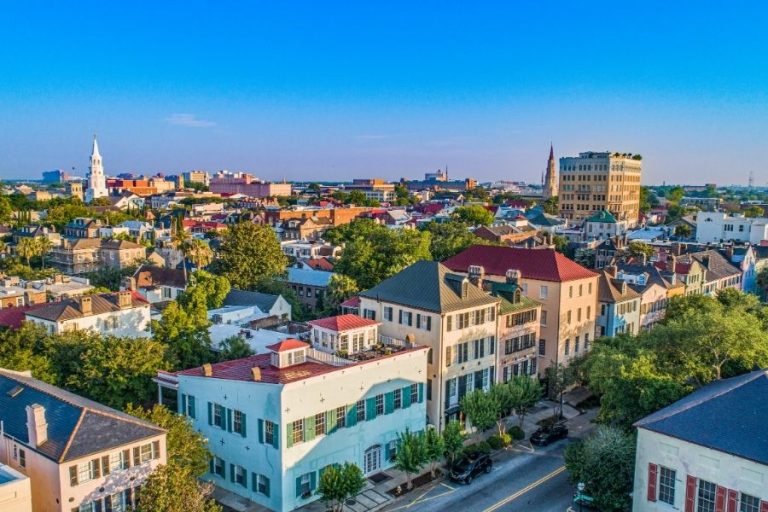
Historic neighborhoods often attract residents who value stewardship over convenience. Homeowners take pride in maintaining the architectural fabric of their community and share a sense of purpose rooted in preservation.
Long-term investment potential
Well-maintained historic homes in stable districts tend to appreciate more consistently than newer builds. Buyers value authenticity and craftsmanship that can’t be replicated.
Tax credits and financial incentives
Depending on where you live, federal and state programs such as the Historic Tax Credit (HTC) may offset restoration costs for income-producing properties. Local preservation groups and SHPO offices can also guide homeowners toward grants or low-interest loans for qualifying projects.
The Realities Behind the Romance
A historic home may charm you at first sight, but ownership comes with challenges that can test even the most devoted preservationist.
Strict renovation rules
Many historic districts require approval for exterior changes, from roofing materials to window styles. What feels like bureaucracy is often a safeguard for architectural integrity — but it can slow projects and add layers of paperwork.
Specialized maintenance
You can’t simply swap out original features for modern replacements. Maintaining authenticity means hiring tradespeople skilled in traditional methods — and their expertise often comes at a premium.
Hidden and higher costs
Historic homes can hide problems that aren’t obvious during a casual walk-through: outdated wiring, structural shifts, or lead-based paint. Repairs may require period-accurate materials that cost significantly more than standard replacements. Insurance, too, can run higher due to restoration costs.
Financing complications
Unique properties sometimes lack comparable sales, making appraisals difficult. Some lenders hesitate to finance homes outside well-documented historic districts. If you’re serious about purchasing, seek financing through institutions familiar with preservation properties.
Finding the Right Home for You
Owning a piece of history begins with knowing what matters most to you — beauty, location, significance, or lifestyle fit.
Clarify your priorities. Are you drawn to a specific architectural style, an era, or the craftsmanship itself? Identify what’s essential before you start your search.
Research extensively. Visit local archives, preservation groups, and real estate listings for historic properties. Learn about zoning, district boundaries, and any restrictions tied to ownership.
Assess restoration costs. Hire inspectors and contractors experienced with older structures. Their insight will help you budget realistically for both immediate and long-term maintenance.
Build your expert circle. Work with real estate agents, architects, and builders who specialize in historic properties. Their knowledge can save you time, frustration, and costly mistakes.
Tour multiple homes. Visit a range of properties before you decide. Experience the scale, light, and craftsmanship in person — and be honest about what you can manage.
Balancing Heart and Practicality
A historic home offers something intangible that new construction rarely does: a sense of place, permanence, and poetry. It’s not just shelter; it’s a connection — to architecture, to community, to continuity.
But every era leaves its mark, and maintaining that legacy takes dedication. If you’re willing to care for a home that’s stood the test of time, the reward is extraordinary: the privilege of living not just in a house, but in history itself.
At Palatial Homes Design, we believe great homes are built with respect — for craftsmanship, for story, and for the people who bring them back to life. Whether you’re restoring an heirloom property or creating a new home with timeless character, every design decision should honor the artistry that came before.
Related reading
- Renovating a historic home: what to remember
- Luxury renovations
- Luxury home remodeling in Beaufort, SC
Next step: Planning a renovation project? Palatial Homes Design LLC is a design-build firm based on Hilton Head Island. See our luxury renovation service or contact us to talk it through.